In the digital age, achieving work-life balance has become a complex dance between our professional and personal lives. As technology continues to shape the way we work and live, finding harmony between the two has never been more crucial. Let's delve into the nuances of this modern conundrum and explore ways to strike a balance that ensures our well-being amidst the digital chaos.
Work-life balance in the digital age is a multifaceted issue that requires a delicate blend of mindfulness and adaptability. With the rapid advancements in technology, the landscape of work and personal life integration is constantly evolving, presenting both challenges and opportunities for individuals seeking equilibrium.
Definition of Work-life Balance in the Digital Age
In today's digital age, work-life balance refers to the equilibrium between professional responsibilities and personal well-being in a world where technology plays a significant role in both work and personal life. The concept has evolved with digital advancements, blurring the lines between work hours and personal time.
Impact of Digital Tools on Work-life Balance
- Digital tools such as smartphones, laptops, and collaboration software enable employees to work remotely, leading to increased flexibility but also making it challenging to disconnect from work.
- Email and instant messaging platforms allow for constant communication, making it difficult for individuals to set boundaries and fully engage in personal activities without interruptions.
- Social media platforms can be both a source of distraction and a way to stay connected with colleagues, potentially blurring the boundaries between work and personal life.
- Time-tracking apps and productivity tools may help individuals organize their tasks efficiently but can also lead to a constant feeling of being "on the clock" even outside traditional working hours.
Challenges of Maintaining Work-life Balance in the Digital Age
Maintaining work-life balance has become increasingly challenging in the digital age due to the constant connectivity and blurred boundaries between work and personal life. The rise of remote work and the pervasive use of technology have presented individuals with a new set of challenges in achieving a healthy balance between their professional and personal responsibilities.
Impact of Remote Work on Work-life Balance
Remote work, while offering flexibility and autonomy, can also lead to difficulties in separating work from personal life. The lack of physical boundaries between the office and home environment can result in longer working hours, as individuals find it harder to switch off from work mode.
This can lead to burnout, increased stress levels, and a diminished quality of life outside of work.
Role of Technology in Blurring Boundaries
Technology plays a significant role in blurring the boundaries between work and personal life. The constant notifications, emails, and messages that individuals receive on their devices make it challenging to disconnect from work even during non-working hours. The pressure to always be available and responsive can lead to an "always-on" mentality, causing individuals to feel overwhelmed and drained.
Strategies for Improving Work-life Balance in a Digital World
In today's digital age, maintaining a healthy work-life balance is crucial for overall well-being. Here are some effective strategies to help you navigate the challenges of blending work and personal life in a digital setting.
Setting Boundaries
One of the key strategies for improving work-life balance is setting clear boundaries between work and personal time. Establishing specific work hours and sticking to them can help prevent work from encroaching on your personal life. Similarly, creating designated spaces for work and relaxation can help you mentally switch between the two.
Utilizing Time Management Tools
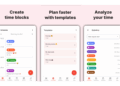
Embracing technology to enhance time management can significantly improve work-life balance. Utilize tools like calendar apps, project management software, and time tracking apps to prioritize tasks, set deadlines, and allocate time for both work and personal activities. This can help you stay organized and ensure that you have time for yourself outside of work.
Practicing Mindfulness and Self-care
Engaging in mindfulness practices and self-care routines is essential for maintaining a healthy work-life balance. Take regular breaks throughout the day to recharge and refocus. Incorporate activities like meditation, exercise, or hobbies into your daily routine to reduce stress and improve overall well-being.
Remember, taking care of yourself is key to being able to perform well in both your professional and personal life.
Impact of Work-life Balance on Mental Health in the Digital Age
Maintaining a healthy work-life balance is crucial for mental well-being, especially in today's digitalized society where the boundaries between work and personal life are often blurred. Let's delve into how work-life balance can impact mental health.
Correlation Between Work-life Balance and Mental Well-being
In the digital age, the constant connectivity and pressure to always be available can take a toll on mental health. Poor work-life balance can lead to increased levels of stress, anxiety, and burnout. When individuals are unable to disconnect from work, it can negatively impact their overall well-being.
Effects of Poor Work-life Balance on Mental Health
High levels of stress resulting from an imbalance between work and personal life can lead to mental health issues such as depression, anxiety, and insomnia. The inability to relax and recharge outside of work hours can deteriorate one's mental health over time.
Benefits of Maintaining a Healthy Work-life Balance
On the other hand, maintaining a healthy work-life balance can have a positive impact on mental health. Setting boundaries, prioritizing self-care, and taking time for activities outside of work can reduce stress levels and improve overall well-being. Individuals who are able to disconnect from work when needed are more likely to experience greater job satisfaction and lower levels of burnout.
End of Discussion
As we conclude our exploration of work-life balance in the digital age, it becomes evident that the key lies in our ability to harness technology as a tool for empowerment rather than a source of overwhelm. By setting boundaries, embracing effective strategies, and prioritizing mental well-being, we pave the way for a harmonious coexistence between our digital and personal worlds.
Q&A
How has technology impacted work-life balance?
Technology has revolutionized the way we work, blurring the lines between professional and personal time. While it offers flexibility, it also brings the challenge of constant connectivity.
What are some effective tips for managing work-life balance in a digital setting?
Setting clear boundaries, prioritizing tasks, and taking regular breaks are essential strategies to maintain work-life balance in a digital world.
Can poor work-life balance affect mental health?
Yes, poor work-life balance can lead to increased stress, burnout, and overall decline in mental well-being. It is crucial to prioritize balance for mental health.