In the realm of digital health apps that actually work, a world of innovation and wellness beckons. From revolutionizing healthcare to enhancing overall well-being, these apps have become essential tools in our modern lives. Let's delve into the realm of effective digital health apps and explore how they are shaping the future of healthcare.
Overview of Digital Health Apps
Digital health apps are software applications designed to help individuals manage their health and well-being using digital devices such as smartphones, tablets, or computers. These apps offer a wide range of features, including tracking physical activity, monitoring vital signs, providing personalized health tips, and connecting users with healthcare professionals.
Popular Digital Health Apps
Some popular digital health apps in the market include:
Fitbit
Tracks physical activity, heart rate, and sleep patterns to help users stay active and improve their overall health.
MyFitnessPal
Helps users track their food intake, set nutrition goals, and monitor calorie consumption for weight management.
Headspace
Offers guided meditation and mindfulness exercises to reduce stress, improve focus, and enhance mental well-being.
Ada
An AI-powered symptom checker that provides personalized health assessments and advice based on user input.
Benefits of Using Digital Health Apps
Using digital health apps can bring several benefits for improving overall well-being, such as:
Enhanced convenience
Users can access health information and resources anytime, anywhere, making it easier to stay on top of their health goals.
Personalized guidance
Many digital health apps offer personalized recommendations and feedback based on individual preferences and health data, helping users make informed decisions.
Improved health outcomes
By monitoring key health metrics and providing actionable insights, these apps can assist users in managing chronic conditions, preventing diseases, and achieving better health outcomes.
Revolutionizing the Healthcare Industry
Digital health apps have revolutionized the healthcare industry by:
Empowering patients
These apps empower individuals to take control of their health and well-being, promoting proactive self-care and engagement in health management.
Enhancing access to care
Digital health apps enable remote consultations, telemedicine services, and virtual monitoring, expanding access to healthcare services for individuals in remote or underserved areas.
Driving innovation
The integration of technology in healthcare through digital health apps has sparked innovation in treatment methods, care delivery, and health monitoring, leading to improved patient outcomes and experiences.
Criteria for Effective Digital Health Apps
When it comes to digital health apps, there are specific criteria that determine their effectiveness in helping users manage their health and wellness. These criteria play a crucial role in distinguishing successful apps from those that fall short in delivering value to the users.
Essential Features of Effective Digital Health Apps
- Personalization: Successful digital health apps tailor their offerings to the individual user, taking into account their unique health goals, preferences, and conditions.
- Accurate and Reliable Information: The app should provide evidence-based information and advice to ensure users make informed decisions about their health.
- Engagement and Motivation: Effective apps use strategies like gamification, reminders, and progress tracking to keep users engaged and motivated to follow through with their health goals.
- Integration with Wearable Devices: Seamless integration with wearable devices allows for real-time tracking of health metrics, providing users with valuable insights into their progress.
Comparison of Successful vs. Less Effective Digital Health Apps
- Successful apps have intuitive user interfaces, making it easy for users to navigate and access features, while less effective apps may have cluttered layouts and confusing navigation.
- Effective apps offer personalized recommendations and insights based on user data, whereas less effective apps may provide generic information that does not resonate with the user.
- Successful apps prioritize data security and privacy, ensuring that user information is protected, while less effective apps may overlook these crucial aspects.
Importance of User-Friendliness and Accessibility
User-friendliness and accessibility are paramount in digital health apps, as they determine the overall user experience and engagement levels. Apps that are easy to use and navigate tend to have higher adoption rates and user satisfaction, leading to better health outcomes.
Key Metrics for Measuring Success
- Retention Rate: The percentage of users who continue to use the app over time indicates its value and effectiveness in meeting user needs.
- User Engagement: Metrics like daily active users, time spent on the app, and interactions with features help gauge how engaged users are with the app.
- Health Outcomes: Tracking improvements in health metrics, such as weight loss, blood pressure, or fitness levels, can demonstrate the app's impact on user health.
User Experience and Engagement
User experience plays a crucial role in the success of digital health apps. It determines whether users will continue to engage with the app, follow through with health goals, and ultimately benefit from its features. Creating a positive user experience can lead to increased engagement, improved adherence to health recommendations, and better health outcomes.
Strategies for Increasing User Engagement
- Provide personalized content and recommendations based on the user's health goals, preferences, and progress.
- Implement interactive features such as goal-setting, progress tracking, challenges, and rewards to keep users motivated and engaged.
- Offer social features that allow users to connect with others, share achievements, and provide support to each other.
- Send timely reminders, notifications, and updates to keep users engaged and on track with their health goals.
Role of Personalization and Customization
Personalization and customization are key factors in enhancing user experience. By tailoring the app's content, features, and recommendations to the individual user, the app becomes more relevant and engaging. Users are more likely to stay engaged and motivated when they feel that the app is designed specifically for their needs and preferences.
How Digital Health Apps Can Motivate Users
- Set achievable goals and milestones that users can track and celebrate their progress.
- Provide feedback and rewards for reaching milestones or completing tasks to reinforce positive behaviors.
- Utilize gamification elements such as points, badges, and leaderboards to make the health journey more fun and engaging.
- Offer educational content, tips, and insights to empower users and help them make informed decisions about their health.
Integration with Wearable Devices and IoT
When it comes to digital health apps, the integration with wearable devices and IoT plays a crucial role in enhancing the overall user experience and effectiveness of these apps.
Enhanced Functionality with IoT
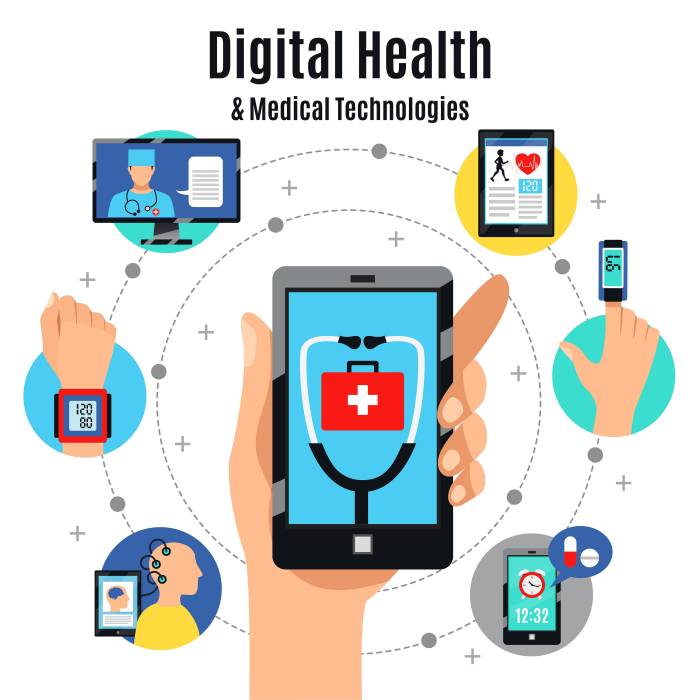
- Wearable devices such as fitness trackers, smartwatches, and health monitoring devices can seamlessly connect with digital health apps to provide real-time data and insights.
- IoT technology enables these devices to communicate with the apps, allowing for a more comprehensive analysis of health metrics and personalized recommendations.
- For example, a fitness tracker can sync with a nutrition app to track both physical activity and food intake, providing a holistic view of the user's health habits.
Benefits of Integration
- Integration of wearable devices with digital health apps enables continuous monitoring of health parameters, leading to better health management and proactive interventions.
- Users can conveniently track their progress, set goals, and receive timely notifications or alerts to stay motivated and on track with their health and fitness routines.
- The synergy between wearable devices and digital health apps fosters a more engaging and interactive experience for users, making it easier to adopt healthy lifestyle habits.
Challenges and Opportunities
- One of the challenges of integrating wearable devices with digital health apps is ensuring data accuracy and reliability, as discrepancies may lead to inaccurate insights or recommendations.
- Opportunities lie in leveraging AI and machine learning algorithms to analyze the vast amount of health data collected from wearables, enabling predictive analytics and personalized health plans.
- Additionally, ensuring data security and privacy protection is crucial when dealing with sensitive health information transmitted between devices and apps.
Closing Summary
As we conclude our exploration of digital health apps that actually work, it's clear that these apps are not just trends but transformative tools for better health. From user experience to integration with wearable devices, the possibilities are endless. Embrace the power of technology in healthcare and take charge of your well-being with these innovative solutions.
FAQ Compilation
How do digital health apps differ from traditional healthcare methods?
Digital health apps provide convenient access to health information, personalized tracking, and interactive tools that empower users to take control of their well-being, unlike traditional healthcare methods.
What are some key features to look for in effective digital health apps?
Essential features include user-friendly interfaces, data security measures, real-time tracking capabilities, personalized health insights, and seamless integration with wearable devices.
How can digital health apps motivate users to achieve their health goals?
By implementing gamification elements, personalized goal setting, progress tracking, and social support features, digital health apps can effectively motivate users to stay engaged and committed to their health objectives.
What are the benefits of integrating wearable devices with digital health apps?
Integrating wearable devices allows for continuous health monitoring, accurate data collection, real-time feedback, and a holistic approach to tracking and improving one's health and fitness levels.