Exploring the exciting realm of the future of digital lifestyle and virtual reality, this introduction sets the stage for a captivating journey into the evolving landscape of technology and entertainment. From the ways in which digital tools have seamlessly integrated into our daily lives to the immersive experiences offered by virtual reality, this topic promises to unveil the endless possibilities that lie ahead.
As we delve deeper, we will uncover the impact of these advancements on various aspects of society, shedding light on the benefits, challenges, and transformative effects they bring.
The Impact of Digital Lifestyle
Living in a digital world has significantly transformed our daily routines, shaping the way we work, communicate, and interact with the world around us.
Essential Digital Tools
- Smartphones: These pocket-sized devices have become indispensable for staying connected, managing schedules, accessing information, and even making purchases on the go.
- Social Media Platforms: Platforms like Facebook, Instagram, and Twitter have revolutionized how we share and consume content, allowing us to connect with friends and family worldwide.
- Cloud Storage Services: Services like Google Drive and Dropbox have made it easier to store and access files from anywhere, ensuring seamless collaboration and data backup.
Benefits and Challenges
- Benefits:
- Increased Connectivity: Digital tools enable instant communication and collaboration with people across the globe, fostering new relationships and opportunities.
- Efficiency and Convenience: Tasks that once required significant time and effort can now be completed with a few clicks, streamlining our daily lives.
- Access to Information: The internet provides a vast repository of knowledge at our fingertips, empowering us to learn, grow, and stay informed.
- Challenges:
- Digital Overload: Constant connectivity can lead to information overload, leading to stress, distraction, and decreased productivity.
- Privacy Concerns: With the increasing amount of personal data shared online, individuals face risks of data breaches, identity theft, and invasion of privacy.
- Digital Divide: Not everyone has equal access to digital tools and resources, widening the gap between those who are digitally literate and those who are not.
Virtual Reality in Entertainment
Virtual reality (VR) has completely revolutionized the entertainment industry, providing immersive experiences that were previously unimaginable. By transporting users to virtual worlds, VR technology has opened up a whole new realm of possibilities for entertainment.
Comparison of Traditional Entertainment with Virtual Reality Experiences
- Traditional entertainment experiences are passive, requiring viewers to simply observe the action unfolding on a screen or stage. In contrast, virtual reality experiences are interactive, allowing users to actively participate in and shape the narrative.
- VR experiences offer a sense of presence and immersion that traditional entertainment mediums cannot replicate. Users feel like they are truly part of the virtual environment, enhancing their emotional engagement.
- Virtual reality experiences can transport users to fantastical worlds, outer space, or even historical events, providing a level of escapism and excitement that traditional entertainment struggles to match.
Popular Virtual Reality Games, Movies, and Experiences
- VR Games:Titles like Beat Saber, Half-Life: Alyx, and Superhot VR have gained immense popularity for their innovative gameplay and immersive experiences.
- VR Movies:Virtual reality films like "Gloomy Eyes" and "Bonfire" are pushing the boundaries of storytelling, allowing viewers to step inside the narrative and interact with the characters.
- VR Experiences:Theme parks and entertainment venues are incorporating VR technology into attractions, offering visitors thrilling experiences like virtual roller coasters and interactive adventures.
Virtual Reality in Education
Virtual reality is revolutionizing the way we approach education by providing immersive and interactive experiences for students of all ages.
Advantages of Using Virtual Reality for Learning and Skill Development
- Enhanced Engagement: Virtual reality creates a more engaging learning environment, capturing students' attention and increasing information retention.
- Hands-On Learning: Students can interact with virtual simulations and models, allowing for practical, hands-on experience in various subjects.
- Personalized Learning: Virtual reality can adapt to individual learning styles and pace, providing a customized learning experience for each student.
- Global Learning Opportunities: Virtual reality breaks down geographical barriers, allowing students to explore different cultures and environments without leaving the classroom.
Examples of Virtual Reality Applications in Education
- Virtual Field Trips: Students can visit historical sites, explore outer space, or travel to different countries through virtual reality simulations.
- Anatomy and Biology Simulations: Medical students can practice surgical procedures or explore the human body in detail through virtual reality applications.
- Language Learning: Virtual reality language apps can immerse students in a foreign language environment, enhancing language acquisition and cultural understanding.
- STEM Education: Virtual reality can be used to teach complex STEM concepts through interactive experiments and simulations, making learning more engaging and accessible.
Digital Wellness and Virtual Reality
Maintaining digital wellness in today's virtual world is crucial for our overall health and well-being. With the increasing use of virtual reality technologies, it's important to be mindful of the potential impact on our mental and physical health. However, virtual reality can also be utilized as a tool to promote mindfulness and relaxation, offering a unique opportunity to enhance our well-being in the digital age.
Strategies for Maintaining Digital Wellness
- Set boundaries for virtual reality usage and limit screen time to prevent eye strain and mental fatigue.
- Take regular breaks, practice mindfulness, and engage in physical activities to reduce the negative effects of excessive virtual reality exposure.
- Establish a healthy balance between virtual experiences and real-world interactions to maintain social connections and emotional well-being.
Impact of Excessive Virtual Reality Usage on Health
- Extended periods of virtual reality usage can lead to symptoms such as dizziness, nausea, and eye strain, affecting both mental and physical health.
- Excessive immersion in virtual environments may also contribute to feelings of disconnection from reality and impact cognitive functions over time.
- It's essential to monitor usage and prioritize self-care to prevent the negative consequences of prolonged virtual reality exposure.
Using Virtual Reality for Mindfulness and Relaxation
- Virtual reality applications can offer guided meditation sessions, relaxation exercises, and immersive environments to reduce stress and promote mental well-being.
- By leveraging virtual reality technology, individuals can escape to tranquil settings, practice deep breathing techniques, and enhance their mindfulness practices.
- Virtual reality has the potential to create tailored experiences that cater to individual preferences and support relaxation and stress relief.
Final Thoughts
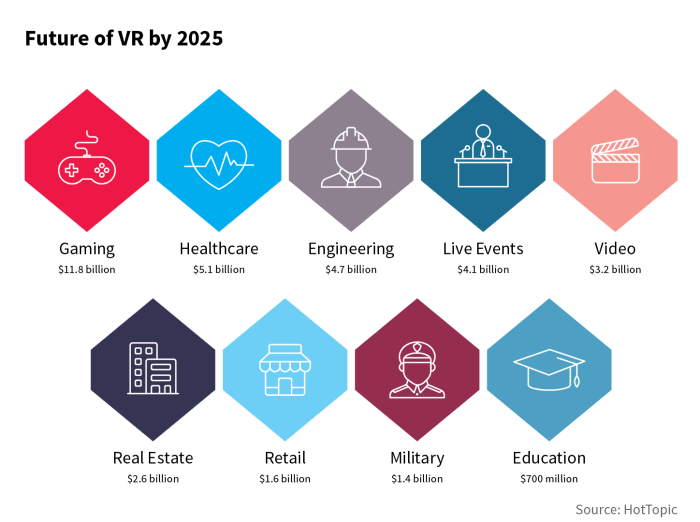
In conclusion, the future of digital lifestyle and virtual reality holds a wealth of potential for shaping our world in ways we have yet to fully grasp. As we navigate through this ever-changing landscape, one thing remains clear - the future is digital, immersive, and filled with endless opportunities for growth and innovation.
Commonly Asked Questions
How has digital lifestyle transformed daily routines?
Digital lifestyle has streamlined tasks, communication, and access to information, making daily activities more efficient and interconnected.
What are some popular virtual reality experiences shaping entertainment?
Popular virtual reality experiences include games like Beat Saber, movies like "Ready Player One," and immersive experiences like VR escape rooms.
How can virtual reality be used in education?
Virtual reality can enhance learning by providing immersive simulations, virtual field trips, and interactive experiences that engage students in new ways.
What strategies can be employed for maintaining digital wellness?
Strategies for digital wellness include setting boundaries on screen time, practicing mindfulness, taking breaks from technology, and prioritizing real-world interactions.